
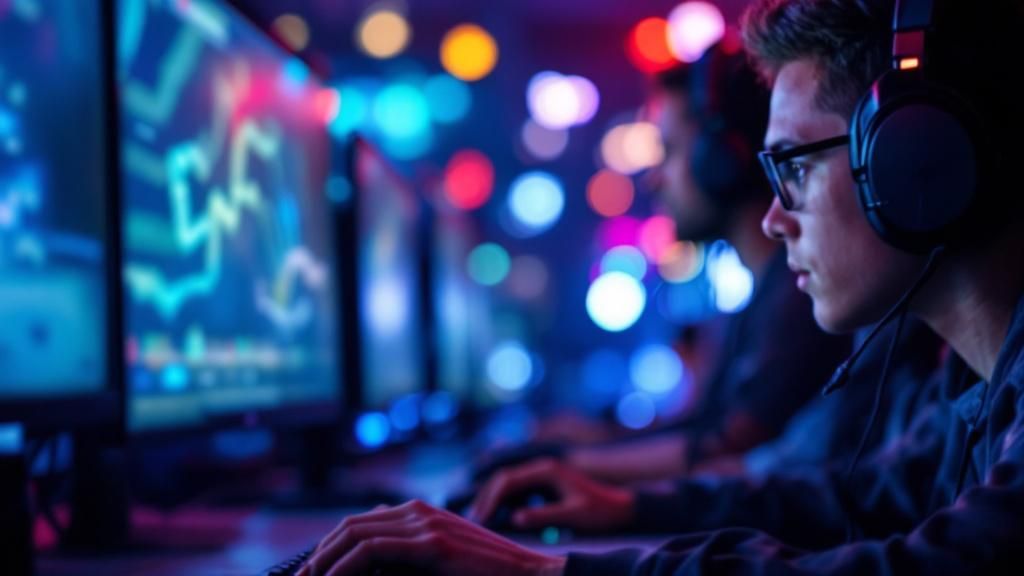
The esports industry has undergone a substantial transformation, with competitive organisations finally recognising that competitive gaming demands as much psychological resilience as technical ability. Once regarded as mere entertainment, esports organisations are now allocating considerable investment into broad-based psychological support. Recognising that burnout, anxiety, and mental health issues directly impact performance. This change reflects a greater evolution of the sector, as prominent teams engage mental health professionals and support systems in addition to their coaching staff, significantly altering how the industry looks after its athletes.
The Increasing Importance of Psychological Wellbeing in Professional Esports
The esports landscape has undergone a profound shift in recent years, with professional gaming teams increasingly recognising that psychological wellbeing is as critical as technical ability and strategic knowledge. Players competing at elite level face immense pressure, gruelling practice schedules, and the constant scrutiny of global audiences. This demanding environment has led to widespread acknowledgement that mental health support is essential for maintaining top-level performance and safeguarding athletes’ general wellbeing across their careers.
Leading esports teams now recognise that allocating resources to mental health infrastructure directly translates to better performance results and lower player turnover. By implementing full-scale wellbeing initiatives, teams are confronting the unique psychological challenges characteristic of competitive gaming, including performance anxiety, burnout, and social isolation. This progressive approach demonstrates that the esports industry is maturing beyond its early days, setting industry benchmarks that place emphasis on player welfare in conjunction with championship aspirations and organisational success.
Thorough Psychological Wellbeing Programmes in Major Companies
Leading esports entities have established comprehensive wellbeing programmes that go well past basic counselling services. These extensive initiatives incorporate clinical support, health promotion activities, and colleague mentoring structures designed specifically for the distinct challenges of competitive gaming. Leading organisations now utilise qualified mental health experts, conduct periodic psychological reviews, and establish nurturing spaces where addressing mental health is treated as normal rather than taboo, substantially reshaping player care standards.
Professional Mental Health Services
The engagement of experienced mental health professionals has become standard practice within leading esports organisations. Esports psychologists, clinical therapists, and performance specialists collaborate closely to tackle the multifaceted challenges athletes encounter, encompassing competitive anxiety, competitive demands, and the mental impact of rigorous training regimens. These professionals provide personalised therapeutic sessions, group-based support, and crisis intervention protocols, confirming competitors obtain scientifically-grounded mental health support on par with conventional sports settings.
Specialist psychological wellbeing services within esports teams extend beyond reactive crisis intervention to proactive wellbeing management. Organisations establish routine mental health assessments, workshops on managing stress, and resilience training programmes customised for gaming contexts. Players benefit from confidential therapy support, programmes to improve sleep quality, and approaches to handle social media pressure, creating comprehensive support ecosystems that prioritise mental health throughout their careers.
- Sports psychologists specialising in esports performance enhancement
- Personal therapeutic sessions addressing anxiety and depression
- Collective wellbeing workshops and stress management training
- Crisis intervention protocols and crisis counselling services
- Confidential counselling services with accredited mental health specialists
Influence on Player Output and Team Dynamics
The inclusion of mental wellbeing services has demonstrably enhanced competitive performance across elite esports organisations. Players who receive psychological counselling and anxiety management training show better focus, improved reaction speeds, and increased reliability during high-pressure competitions. Furthermore, decreased psychological distress amongst team members translates directly into improved tactical decisions during key games, ultimately resulting in enhanced tournament performance and sustained competitive excellence.
Beyond individual performance measures, comprehensive mental health initiatives strengthen the cohesion and dynamics of the team. When players receive emotional support, trust among squad members deepens, enabling enhanced communication and collaborative efforts during match play. Teams that focus on psychological wellbeing report decreased conflict between players, higher morale, and more positive training settings. This integrated approach to player wellbeing generates a beneficial cycle wherein athletes in better health deliver improved performance, which in turn strengthens team cohesion and organisational achievement.
Emerging Trends and Regulatory Framework
The trajectory of psychological support services within professional esports appears increasingly promising, with key industry figures anticipating extensive implementation of integrated mental health programmes. Major esports organisations are setting standards that smaller teams aspire to emulate, creating a strategic edge through better player wellbeing. As regulatory bodies and league commissioners recognise the correlation between mental wellbeing and performance, uniform mental health standards are expected to become mandatory requirements rather than optional enhancements. This development mirrors trends in conventional sports, where mental health services has become indispensable to peak performance.
Looking ahead, the normalisation of mental health discussions within competitive gaming environments will certainly attract greater sponsorship investment and wider public acknowledgement. Educational institutions and gaming academies are beginning to incorporate mental health training into their curricula, ensuring aspiring competitors understand the importance of mental fortitude from the outset. Furthermore, advanced technologies such as portable health monitoring devices and AI-driven mental health monitoring systems promise to enhance preventative support measures. As the industry matures, psychological wellbeing services will move beyond a differentiating factor to an essential foundation of professional esports infrastructure.
